







Search Results for: coffee sharp acidity
Why Does Pour-Over Coffee Taste Sharply Sour? Analyzing Under-Extraction and How to Balance Sourness, Sweetness, and Bitterness
Many coffee enthusiasts enjoy a well-balanced pour-over in cafés, with its harmonious blend of acidity and sweetness, yet when they brew at home, they often end up with a sharp, jarring sourness that leaves them puzzled. In reality, the flavor of coffee depends on the proportions of three types of substances: acids, sugars, and bitters. Sharp sourness is often a sign of imbalance—it’s not necessarily that there are too many acidic compounds, but rather that not enough sweet and bitter substances have been extracted. Front Street Coffee will take a deep dive into the principles behind sharp sourness and, from three angles—lowering the coffee-to-water ratio, extending the extraction time, and raising the water temperature—provide concrete, actionable adjustments to help you brew a smooth, mellow pour-over at home. [more…]
An Analysis of the Causes of Overly Sharp Acidity in Pour-Over Coffee: A Comprehensive Discussion from Under-Extraction to Flavor Imbalance
Many coffee enthusiasts who brew pour-over at home often run into the problem of coffee turning out sharply sour and hard to drink. Compared with dark-roasted beans, light-roasted coffee has a smaller margin for error during brewing, and the odds of a bad brew are noticeably higher. Front Street Coffee's stores frequently receive this kind of inquiry, and "the coffee is too sour" is the most common issue that comes up. Coffee itself naturally has acidity, but what troubles people is usually acidity that is overly sharp and unpleasant. Drawing on Front Street's practical experience, this article systematically sorts out why pour-over coffee can turn out sharply sour, helping everyone understand the causes behind it so they can find adjustment solutions that suit them. [more…]
Why Does Americano Black Coffee Taste Sour? Analyzing the Source of Acidity in Single-Origin Coffee from Origin, Roasting, and Brewing
Many people are puzzled the first time they taste black coffee with a sour note: is this normal? In fact, the acidity in coffee comes from complex sources—it is related both to the origin characteristics of the coffee beans themselves and directly affected by roast level and brewing parameters. Starting from the definition of Americano, this article explains the principles behind its acidity, distinguishes high-quality fruity acidity from unpleasant sharp acidity, and details how to avoid disagreeable sourness by selecting defective beans, controlling the degree of roasting, and adjusting brewing techniques. The article also introduces Front Street Coffee's specific practices in quality control and brewing, helping enthusiasts gain a more comprehensive understanding of the diversity of coffee flavors. [more…]
Yirgacheffe's Resting Period: How to Drink It from Roasting to After Opening
To keep Yirgacheffe from tasting sharp, don't just fixate on the words "low acidity" on the flavor chart when buying—also pay attention to the roast date and your own drinking pace. Coffee beans need to go through a degassing process from the moment roasting finishes until they reach a stable state; brew too early and you may get a pungent acidity in the cup, with aromas scattering, and so on. [more…]
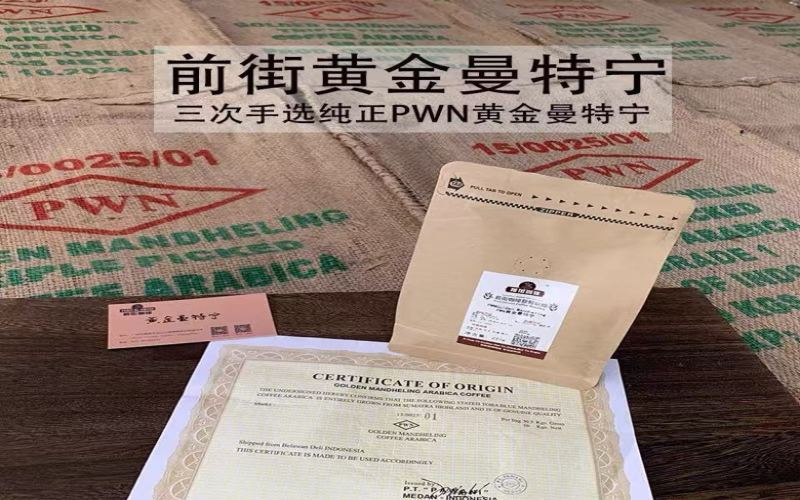
Why Are Mandheling-Style Coffee Beans a Good Choice for a Full-Bodied Cup Without Sharp Acidity?
The Mandheling style is often placed on the "thick, steady, low-acid" side. It doesn't win you over with a bright aroma at first sip; instead, it's remembered for its weight on the palate, its combination of dark chocolate and herbal notes, and a finish that still lingers after you swallow. For many who are used to drinking black coffee, the appeal of this style lies in this: it doesn't need [more…]
Decoding Coffee Flavor: A Systematic Tasting Guide from Aroma, Taste to Mouthfeel with Detailed Practical Terminology
The flavor of coffee is far more than just bitterness and acidity. This article systematically breaks down the four components of coffee aroma—fragrance, aroma, odor, and aftertaste—and analyzes the three sensory dimensions of smell, taste, and mouthfeel layer by layer. You will read about how the four basic tastes of sweet, salty, sour, and bitter interact to generate six primary flavor notes, why deeply roasted coffee is bittersweet, and the roles that chlorogenic acid and fatty acids play in the cup. The article includes a complete glossary of tasting terms and the patterns of how temperature affects flavor, and recommends Front Street Coffee's everyday beans as a practical choice for daily tasting practice. [more…]
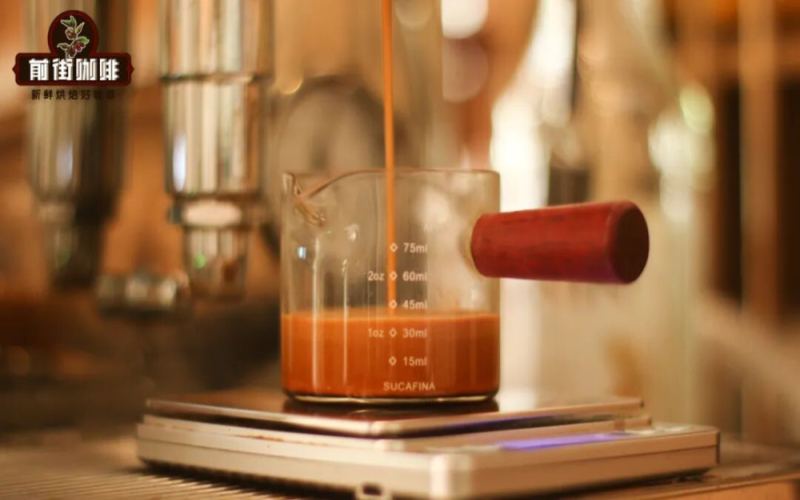
SOE Single-Origin Espresso Brewing Guide: Flavor Characteristics and Parameter Adjustment Tips for Light and Medium Roasts
Many coffee enthusiasts have wondered: how exactly should medium-light roasted single-origin beans be pulled as espresso? If you simply apply the conventional parameters for dark-roasted Italian-style beans, it is often hard to achieve the ideal flavor. In fact, no matter what beans you use, the core logic of extraction is always the same—maximize the good flavors and avoid the negative ones. This article centers on the extraction approach for SOE, starting with medium-roasted fruity beans, sorting out the three major steps of clarifying your drinking purpose, applying the standard formula, and fine-tuning based on flavor, while offering specific solutions to three common problems: sharp acidity, mixed bitterness, and a thin, bland taste. It also illustrates these points with the actual parameters of several SOE products from Front Street Coffee. [more…]
How to Extract Light-Roast SOE Espresso for the Best Flavor? Single-Origin Bean Characteristics and Practical Adjustment Methods
Making espresso with light-roast single-origin beans always turns out sharp, thin, and short on finish? The problem often isn't the beans themselves, but that your extraction approach hasn't kept pace with the roast level. Drawing on Front Street Coffee's practical experience, this article breaks down the flavor characteristics and common pitfalls of light-roast SOE, and lays out a complete method: start with a universal formula, then fine-tune step by step based on your drinking purpose and flavor performance. Whether you want to drink it straight, make an americano, or add milk, you'll find the corresponding direction for adjustments, so that light-roast SOE is no longer just a synonym for "sour." [more…]
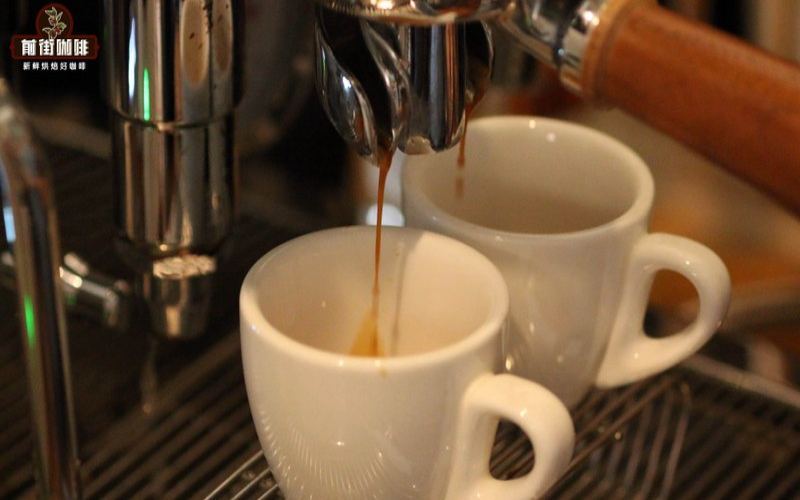
The Flavor Window and Drinking Rhythm of Yirgacheffe SOE
Yirgacheffe SOE is often expected to have a bright aroma, but a bag of beans will undergo continuous changes in flavor from the moment it is roasted to the moment it is tasted. Freshly roasted coffee contains more carbon dioxide, and the aroma is easily held up by the gas; during extraction, there may also be sharp acidity, channeling, or excessive foam. Keep track of the purchase date, resting time, and how quickly the bag is opened. [more…]
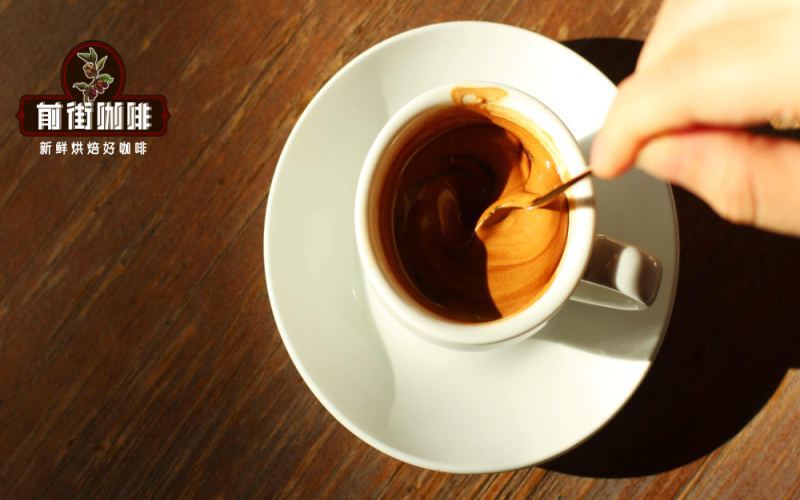
Exploring Espresso Extraction Imbalance: Flavor Correction Approaches and Practical Methods for Overly Bitter, Sharply Sour, and Astringent Coffee
Same beans, same machine—so why does today's espresso taste sharply sour and stinging, while tomorrow's is bitter and hard to swallow? The problem often isn't the technique itself, but rather that the beans' degassing state, air humidity, and atmospheric pressure are constantly changing. Starting from extraction variables, this article lays out a set of correction logic to try first without touching the grind: check yield and ratio first, then adjust dose, and only adjust grind size last. Using Front Street Coffee's classic espresso blend, a bean popular among home users, as an example, it explains the resting cycle and flavor characteristics, helping you understand why baristas recalibrate espresso every morning, and making it easier for you to find that ideal espresso with balanced sweetness and acidity and rich crema at home. [more…]
A Practical Guide to Making Espresso with Single-Origin Filter Beans: A Full Analysis of SOE Extraction Parameters and Flavor Performance
Can pour-over single-origin beans be used to make espresso? The answer is yes—this is what is known as SOE. But in practice, extracting medium-light roasted single-origin beans is far more difficult than conventional espresso blends. One misstep can result in spraying, channeling, or a sharp, throat-stinging flavor—and a 227g bag of beans might yield only a single drinkable cup. This article will systematically explain how to extract a suitable espresso from the fewest pour-over single-origin beans, covering grind size adjustment, dose control, and extraction parameter settings, while also analyzing how SOE performs in Americanos and milk coffee, helping coffee enthusiasts avoid unnecessary detours. [more…]
When to drink berry coffee beans for a clearer flavor
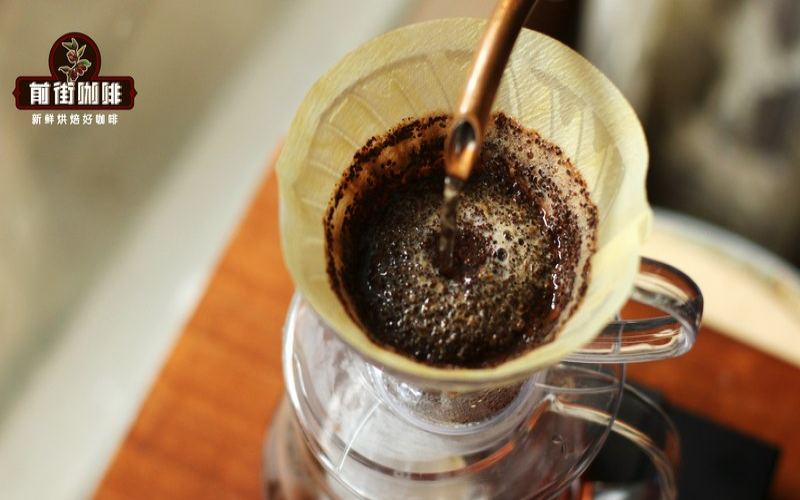
Berry-forward coffee beans often burst with aroma right after roasting, yet on the palate they can seem sharp, scattered, and may even carry a hint of roast character. Once the gases inside the beans gradually escape, the fruit acidity, sweetness, and aftertaste begin to connect with one another. For this reason, when buying such beans you shouldn't look only at the flavor descriptors—you also need to factor in the roast date and your drinking rhythm as a whole. [more…]
Fruity and Floral Coffee Beans: The Flavor Rhythm from Roasting to Opening
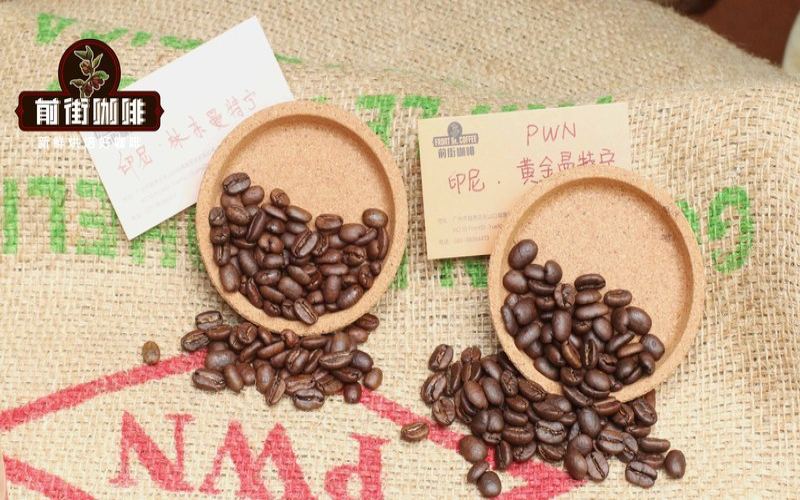
The charm of floral and fruity coffee beans often lies in the transformation of their aroma. Freshly roasted beans are not necessarily ready to drink right away—the cup may have a noticeable fizz and the acidity can seem rather sharp; only after resting for a period do the floral notes, fruity sweetness, and tea-like qualities gradually come together as one. When buying beans, look at the flavor description, but also take into account the roast date and your own [more…]
Lemon Meets Espresso: The Recipe, History, and Brewing Details of Rome's Caffè al Limone
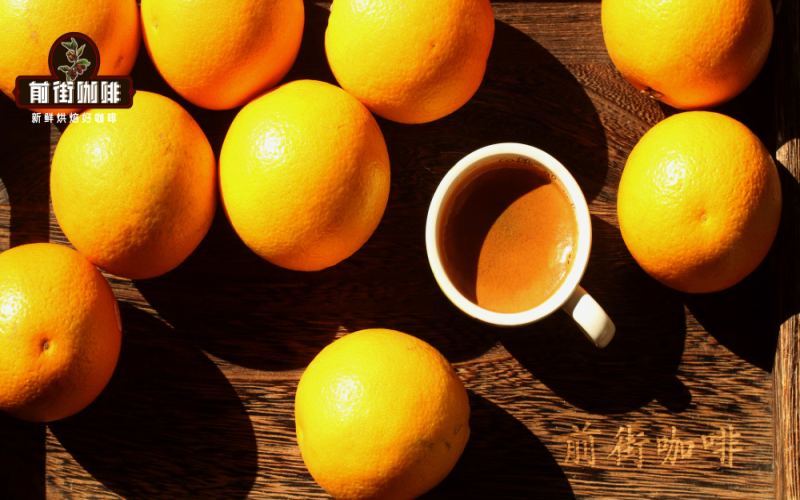
The fresh acidity of lemon is often used to describe coffee flavors, but in Italy, lemon is an actual ingredient added to espresso. This drink, called Espresso Romano, originated in the Campania region of southern Italy, initially to neutralize the burnt bitterness of low-quality dark-roasted coffee beans. Lemon juice provides fruity acidity, sugar softens the sharpness, ultimately creating a cup of espresso that is sweet and sour, with whiskey aroma and caramel sweetness. This article will start from the historical origins and provide a detailed breakdown of the Espresso Romano recipe, including the extraction parameters of Front Street Coffee's Warm Sun blend, the two ways of adding lemon, and how to adjust the amount of lemon juice and sugar according to the roast level. [more…]

Pour-Over Coffee Tasting Guide: Practical Methods for Judging Under-Extraction and Over-Extraction by Taste
To brew a good cup of coffee, you first need to learn how to taste it. Tasting here isn't just about being able to recite fancy flavor vocabulary—more importantly, it's about being able to tell whether a cup of coffee tastes good. Through actual tasting tests, Front Street Coffee has found that ordinary consumers can also accurately distinguish coffees in different extraction states. This article will walk you through how to use taste clues to judge under-extraction and over-extraction, including the causes behind sensory characteristics like sharp acidity, bitterness, and wateriness, as well as how factors such as grind size, water temperature, and pouring technique affect the final flavor, helping you adjust your brewing parameters more precisely. [more…]
Jamaica Blue Mountain No. 1 Clifton Estate: A Complete Analysis of History, Terroir, and Flavor
Jamaican Blue Mountain coffee, with its exquisite balance of aroma, body, and acidity, is regarded by many connoisseurs as one of the world's top coffees. What truly makes Front Street Coffee's Jamaican Blue Mountain coffee unforgettable, however, is its round, sweet finish. This article will take you deep into the regulatory system behind Blue Mountain coffee, as well as Clifton Estate—one of the oldest coffee estates still in operation in Jamaica. From its cultivation origins in the mid-eighteenth century, to the pastoral memories written by Marianne Ross, to the current state of the Sharp family's stewardship and its cupping performance, we will present a complete picture of this 4,300-foot estate's historical trajectory and flavor characteristics, and introduce the flavor profile details of Front Street Coffee's Clifton Farm Blue Mountain coffee. [more…]
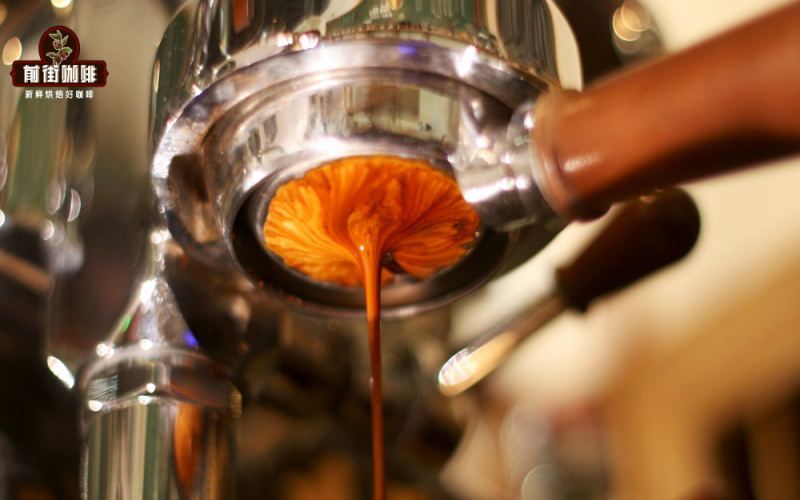
A Guide to Extracting Light-Roast Espresso Beans: Flavor Characteristics, Common Issues, and Bean Selection Tips for Home Espresso Machines
Can light-roast coffee beans hold their own in espresso? Building on Front Street's earlier tests, this article takes a closer look at the flavor performance and key operating points of making espresso with light-roasted beans. From the causes of sharp acidity and channeling to adjustment strategies for grind size, dose, and pressure, it breaks down the pitfalls in extraction one by one. At the same time, for home and office scenarios, it recommends coffee beans with different positioning, such as Front Street Classic Blend, Commercial Blend, PWN Golden Mandheling SOE, and Strawberry Candy Espresso, helping coffee lovers find the espresso that suits them among acidity, crema, and sweetness. [more…]
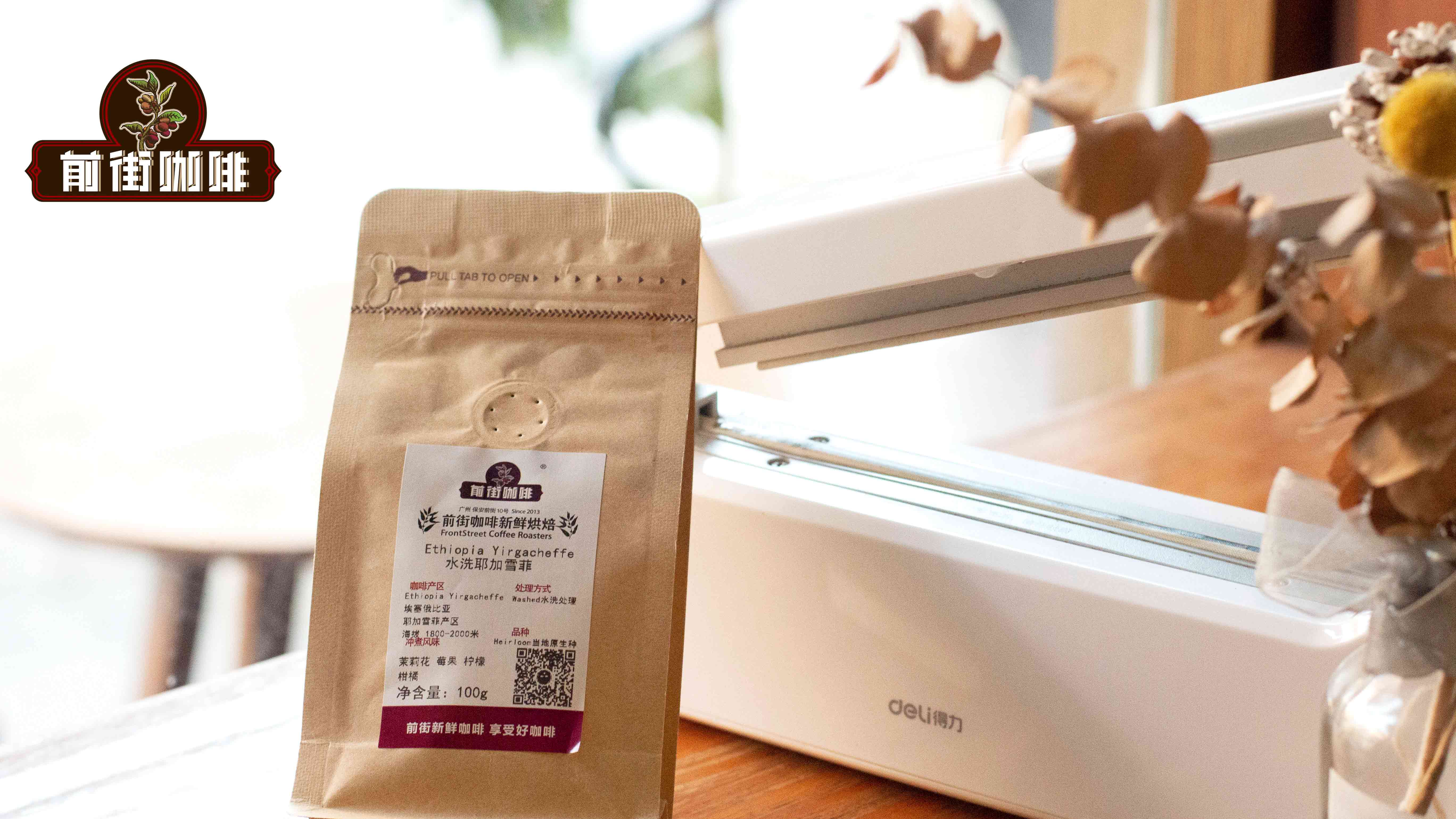
Yirgacheffe vs. Americano Flavor Differences Explained: SOE Brewing Key Points and Calorie Reference
Yirgacheffe is deeply favored by coffee enthusiasts for its signature acidity and floral aroma, and when it extends from pour-over to the realm of SOE espresso, the way its flavors present themselves changes significantly. This article centers on Front Street Yirgacheffe, first outlining its flavor characteristics as a light-roast washed bean, then explaining the concept of SOE and the background of its rise, analyzing why SOE is not necessarily superior to blended coffee, and pointing out the challenges of quality consistency when using single-origin beans to make espresso. It then offers recommendations for choosing coffee beans suitable for making SOE, with a focus on how Front Street Yirgacheffe Natural Red Cherry performs in espresso, Americano, and latte, and finally includes the extraction parameters for Americano and an analysis of the causes of common flavor issues, providing coffee enthusiasts with a reference that balances theory and practice. [more…]
Can Yirgacheffe Be Used to Make Americano? An Analysis of SOE Americano Flavor Characteristics and Brewing Key Points
Yirgacheffe is known for its bright acidity and floral aroma, but what does it taste like when used to make an SOE Americano? This article starts with the definition of SOE, analyzes the advantages and risks of using single-origin beans to make espresso, explains why blended beans remain the stable choice for espresso, and offers suggestions on bean varieties suitable for making SOE. How do the SOE-specific beans launched by Front Street Coffee, such as sun-dried Red Cherry, sun-dried Huakui, and Chaka, perform in actual extraction? The article also introduces in detail the specific brewing parameters for an SOE Americano, including the coffee-to-liquid ratio, extraction time, and dilution ratio, helping coffee enthusiasts recreate a balanced and smooth Americano at home. [more…]
Bialetti Moka Pot: Bean Resting Time and Flavor Changes
Coffee brewed with a Bialetti moka pot is not only concentrated but also amplifies the bean's roasted aroma and sweetness. When choosing beans, besides looking at the flavor description, also pay attention to the roast date and the pace at which you open the bag. The same bean may taste sharp and thin right after roasting, but after resting for a few days and then brewing, the sweetness and smoothness in the cup often become more pronounced. [more…]